How Lifestyle Changes Support TRT Replacement Therapy Near Me


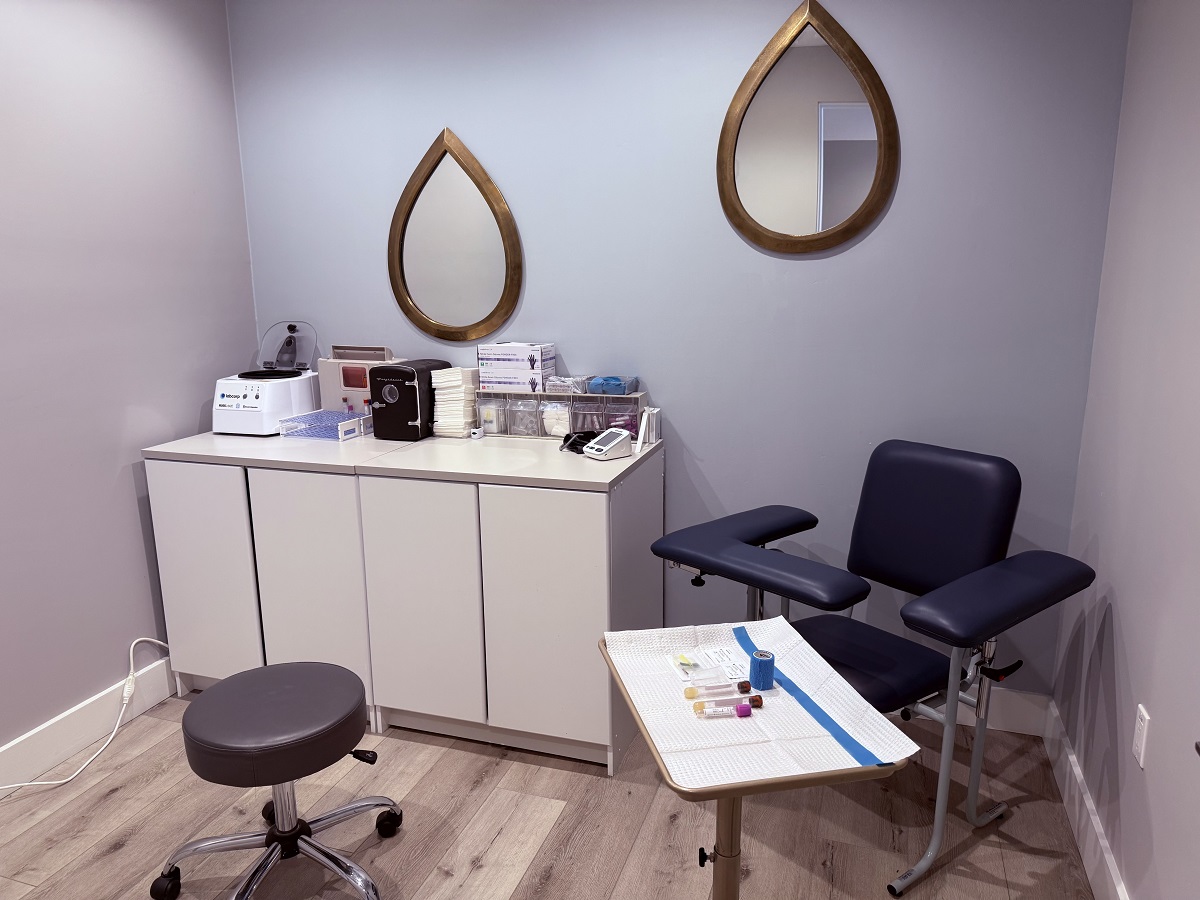
When people search for Trt replacement therapy near me, they are usually looking for more than a prescription. They want to feel like themselves again. They want steadier energy, a clearer head, better recovery from workouts, more motivation, and a sex drive that does not feel switched off. Those goals are reasonable, but the way testosterone replacement therapy works in real life is often less dramatic and more practical than people expect.
TRT can be an effective medical treatment for men with clinically confirmed low testosterone and symptoms that match. It can also be disappointing when someone expects the medication to carry the entire load while sleep stays poor, diet stays chaotic, body fat remains high, and stress never lets up. In practice, the best outcomes tend to come from a combination of appropriate medical care and disciplined daily habits.
That is the piece many people miss when they begin treatment. Hormone therapy does not replace the fundamentals. It makes the fundamentals matter even more.
Why TRT and lifestyle belong in the same conversation
Testosterone does not operate in isolation. It interacts with sleep quality, insulin sensitivity, body composition, mood, inflammation, training load, alcohol intake, and even how often someone works late into the night. A patient can have a well-designed TRT plan and still feel underwhelmed if those surrounding factors work against it.
I have seen this play out in a familiar pattern. One man starts therapy and sees a quick lift in mood and libido during the first several weeks. Another notices almost nothing and assumes the dose is wrong. When you look closer, the first person has a consistent bedtime, strength trains three days a week, drinks sparingly, and has protein at most meals. The second sleeps five hours, skips meals all day, overeats at night, and relies on caffeine to get through work. Same category of treatment, very different environment.
TRT can help restore testosterone to a healthier range. Lifestyle changes help the body use that improved hormonal environment well. That distinction matters. The treatment may adjust a lab value, but your routines shape how those changes feel in day-to-day life.
Sleep is often the make-or-break factor
If there is one lifestyle change that consistently improves how men respond to TRT, it is better sleep. Not perfect sleep, just better sleep, more often.
Poor sleep raises stress hormones, worsens insulin resistance, increases appetite, and drags down recovery. It also makes symptoms of low testosterone feel worse, even when blood levels improve. A man may technically be “optimized” on paper and still feel flat, irritable, and foggy because his sleep is fragmented or too short.
Many adults underestimate how much sleep debt affects hormone therapy. Seven to nine hours is a useful target for most people, but the real key is consistency. Someone sleeping eight hours on Saturday and five on Monday is not getting the same benefit as someone who keeps a stable schedule. Deep sleep supports recovery, appetite regulation, and cognitive function, all of which influence how someone perceives results from TRT.
Sleep apnea deserves special attention. Men with low testosterone symptoms often also carry extra weight around the neck and abdomen, both of which raise the risk of obstructive sleep apnea. If snoring is loud, morning headaches are common, and daytime fatigue persists despite treatment, apnea should be evaluated. Ignoring it can blunt progress and create real cardiovascular risk. In some cases, treating sleep apnea changes the entire trajectory of a patient’s energy and recovery.
Body composition changes can amplify treatment benefits
A difficult but honest truth is that body fat, especially central abdominal fat, tends to work against hormonal health. Adipose tissue affects inflammation and can influence hormone metabolism. Men with significant excess body fat often have lower energy, poorer insulin sensitivity, more joint pain, and less exercise tolerance. Even if TRT helps, carrying that metabolic burden can keep them from feeling the full improvement they hoped for.
This is why lifestyle changes around nutrition and activity matter so much. Losing even 5 to 10 percent of body weight can improve blood sugar control, sleep quality, blood pressure, and mobility. Those shifts do not just make someone healthier in a general sense. They often make TRT feel more effective because the rest of the system is less strained.
That said, body composition change is not always quick. Some men start therapy expecting rapid fat loss. That can happen, but not reliably, and not without effort. TRT may support lean mass retention and improve training capacity for some patients, but it is not a fat-loss drug. The men who do best usually understand that and focus on repeatable habits rather than chasing scale changes week to week.
Nutrition shapes energy, recovery, and hormone response
Most men do not need an extreme diet. They need a sustainable one. The basics work because they reduce the friction that derails progress.
A solid eating pattern for someone on TRT usually includes enough protein to support muscle maintenance, enough fiber to improve fullness and digestion, and a calorie intake that matches the goal, whether that is fat loss, maintenance, or gradual muscle gain. Meals that rely heavily on ultra-processed foods, liquid calories, and late-night overeating often leave people with unstable energy and disappointing body composition, even if hormone levels improve.
Protein deserves special mention because it supports satiety and recovery. For many active adults, aiming for roughly 25 to 40 grams per meal is practical, though needs vary by body size and training volume. That could Trt replacement therapy near me look like eggs and Greek yogurt in the morning, chicken or fish at lunch, and lean beef, tofu, or beans at dinner. The exact foods matter less than the consistency.
Carbohydrates are another area where people get confused. Some men assume they should cut carbs aggressively to improve hormones. Sometimes that helps appetite control, especially if they were eating large amounts of refined starches and sweets. But very low carbohydrate intake can also backfire in highly active people who need fuel for training and recovery. A better approach is to favor higher-quality carbohydrate sources such as fruit, potatoes, oats, rice, and legumes, then adjust portion size based on activity level and body composition goals.
Alcohol often undermines progress more than people realize. A few drinks on the weekend may not create a problem for everyone, but regular heavy drinking can disturb sleep, increase caloric intake, hurt recovery, and make mood swings worse. When someone says TRT stopped working, but they are drinking four nights a week and sleeping badly, the therapy is rarely the only issue.
Training changes the quality of the response
Exercise is one of the strongest companions to TRT, especially resistance training. Men often notice that when they lift regularly during treatment, they recover better, feel stronger, and see more visible changes in body composition. The therapy does not build muscle on its own in the same way structured training does. What it can do, in appropriate cases, is create a more favorable environment for training progress.
Strength work does not need to be elaborate. A sensible program built around major movement patterns, squatting or leg pressing, hinging, pushing, pulling, and carrying, is enough for many people. Two to four sessions per week can go a long way when done consistently.
Cardio matters too, though it is often overlooked by men focused on testosterone. Better cardiovascular fitness supports heart health, work capacity, recovery between sets, and daily energy. Even brisk walking helps, especially for men who are deconditioned or carrying extra weight. A patient does not need to train like an athlete to improve the response to therapy. He needs a routine he can maintain.
One common mistake is going too hard too soon. A man starts TRT, feels a little more drive, then jumps into six intense workouts a week after years of inactivity. Within two weeks, his knees hurt, sleep worsens, and motivation crashes. The smarter route is progressive loading, enough stimulus to improve, not so much that recovery falls apart.
Stress management is more practical than it sounds
People hear “manage stress” and often tune out because the advice feels vague. In reality, this is not about achieving calm at all times. It is about reducing chronic strain that keeps the nervous system on edge.
Men with demanding jobs, family responsibilities, financial pressure, or ongoing mental health challenges may not notice how much that background stress shapes their symptoms. Irritability, poor concentration, low libido, and fatigue are not always solved by adjusting testosterone alone. Sometimes they are signals that the entire system is overtaxed.
A practical stress strategy might include a regular walking break during the workday, keeping work email off the phone after a certain hour, therapy or counseling when needed, and setting some buffer between high-stimulation activities and bedtime. These are not glamorous fixes, but they often have a measurable effect on sleep, appetite control, and mood.
This is also where relationship strain can surface. TRT is sometimes framed as a way to restore confidence and sexual function, and that can happen. But if there has been months or years of tension, resentment, or poor communication with a partner, improved hormone levels alone may not repair that. Lifestyle support in this case may include counseling, better routines at home, and honest conversation, not just a medical follow-up.
The role of consistency, not perfection
The men who respond well over the long run are rarely the ones who execute every habit flawlessly. They are the ones who string together enough good days that their overall trend improves. Missing one workout, eating dessert, or having a stressful week does not erase progress. Repeating disruptive patterns for months does.
That is why simple anchors usually beat ambitious overhauls. A consistent bedtime, regular protein intake, three weekly lifting sessions, daily steps, and fewer drinks can outperform a more “optimized” plan that lasts only 12 days.
For patients looking for a starting point, these habits offer the strongest return for the effort:
- Sleep on a regular schedule, even on weekends
- Strength train two to four times per week
- Eat protein-rich meals and limit excess liquid calories
- Walk daily, especially after meals or during work breaks
- Keep alcohol moderate and avoid binge patterns
None of those habits is exotic. All of them improve the odds that TRT will support better energy, body composition, mood, and sexual health.
Monitoring matters, especially early on
A search for Trt replacement therapy near me should lead to more than convenience. It should lead to thoughtful medical oversight. TRT is not a casual supplement. It affects multiple systems, and follow-up matters.
The right clinic or physician will not rely on symptoms alone or on a single lab value taken out of context. They will consider total testosterone, often free testosterone depending on the case, timing of labs, symptoms, medication history, fertility goals, and underlying conditions. They will also monitor markers such as hematocrit, since TRT can increase red blood cell concentration in some men. Estradiol, lipids, liver markers, prostate-related considerations, and blood pressure may also come into the conversation depending on the patient.
Lifestyle changes support this monitoring process because they can influence the numbers. Weight loss can improve blood pressure. Better diet can improve triglycerides. Improved sleep can reduce fatigue that someone might have mistakenly blamed on dose issues. Without those changes, clinicians are sometimes forced to sort out whether a problem is treatment-related, habit-related, or both.
There is also a practical point here. Men who stick with follow-up care tend to make better decisions. They are less likely to chase internet advice, switch doses impulsively, or add unnecessary compounds because a forum told them to. They get fewer surprises and better long-term stability.
Fertility, family planning, and the conversations people skip
This topic deserves more attention than it usually gets. Some men begin TRT without realizing it can reduce sperm production. If a patient wants children now or in the future, that should be discussed before starting treatment. Lifestyle change will not override that biological issue.
This is one reason choosing the right medical provider matters so much. A clinic focused only on symptom relief may miss the bigger picture. A more careful provider will ask about future fertility, explain alternatives when appropriate, and tailor the plan accordingly.
This is also where age and life stage matter. A man in his late twenties with low testosterone symptoms, high stress, poor sleep, and obesity may need a different path than a man in his fifties with repeatedly low lab values, erectile symptoms, and a stable family plan. The treatment is never just about the number. It is about the person and the context.
What a realistic timeline looks like
Many patients want to know how quickly they should feel better. The honest answer is that different benefits tend to show up on different schedules. Some men notice changes in libido, drive, or general well-being within a few weeks. Body composition changes and strength gains usually take longer, especially if training and nutrition were poor before treatment. Mood and cognitive changes can improve, but not always in a straight line.
The key is not to judge everything too early. It is also not to wait indefinitely if nothing is improving. Good care involves reassessment. Are symptoms changing? Are labs where they should be? Is sleep better? Is alcohol intake under control? Is weight moving in the right direction? Has exercise actually become consistent?
A useful way to think about the first few months is this:
- Weeks 1 to 4 often reveal changes in energy, libido, or motivation, though not everyone feels a dramatic shift
- Months 2 to 3 are where routine, training, and sleep habits start to separate strong responders from frustrated ones
- Months 3 to 6 are often more revealing for body composition, recovery, and overall stability
Those time frames are not guarantees. They simply reflect what tends to happen when treatment is combined with competent follow-up and better habits.
When lifestyle changes uncover a different problem
One of the more interesting clinical realities is that lifestyle cleanup can reveal that low testosterone was not the whole story. A patient improves sleep, trains regularly, eats better, cuts back alcohol, and still feels exhausted. That can be frustrating, but it is not wasted effort. It often points to something else that needs attention, such as depression, thyroid issues, sleep apnea, overwork, medication side effects, or chronic pain.
This is one reason I caution against viewing TRT as a catch-all solution. It can be extremely Trt replacement therapy near me useful for the right patient, but medicine works best when it is precise. If the real problem is untreated sleep apnea and severe burnout, no amount of dose tweaking will fully fix it.
That does not make TRT a bad option. It just means proper treatment starts with clear diagnosis and stays grounded in the whole picture.
Choosing local care with the right mindset
When someone searches for Trt replacement therapy near me, location matters because convenience affects follow-through. People are more likely to attend appointments, complete lab work, and stay engaged when care is accessible. But proximity should not outweigh quality.
Look for a practice that takes symptoms seriously without overselling results, orders appropriate labs, discusses risks and trade-offs, and talks about sleep, exercise, weight, and alcohol as part of the treatment plan. If a clinic presents TRT as effortless or universal, that is a warning sign. Hormone care should feel measured, not hyped.
The right provider will also tell you when TRT is not the first move. Sometimes the better first step is treating obesity, reducing opioid use when possible, fixing sleep, or addressing a mental health issue. Good medicine does not rush to a protocol just because a patient is frustrated.
The best results usually look boring from the outside
That may sound anticlimactic, but it is true. The strongest TRT outcomes are often built on routines that are almost dull in their consistency. Better sleep. Fewer drinks. More steps. Regular lifting. Higher protein. Follow-up labs. Dose adjustments when necessary. Patience.
These things do not sell well because they are not dramatic. They also work.
A man does not need to turn his life into a performance optimization project to benefit from treatment. He does need to respect the fact that hormones interact with everything else he does. TRT can help restore a missing piece. Lifestyle changes make that piece fit.
That is where real progress tends to happen, not in the search itself, but in what happens after the search leads to thoughtful care.
SDBody La Jolla
Address: 7710 Fay Ave, La Jolla, CA 92037
Phone number: +18584012383
FAQ About Trt replacement therapy near me
Will insurance pay for TRT therapy in La Jolla, CA?
Coverage varies by plan and may depend on the diagnosis, blood test results, medication and prior authorization. Ask your insurer which visits, lab tests and formulations it covers and what you would pay out of pocket.
What is the most affordable TRT clinic in La Jolla?
Compare written estimates for the initial visit, lab work, medication and follow-up monitoring. Your total cost will depend on your insurance and the care your clinician recommends.
Is TRT replacement good for you in La Jolla, CA?
Testosterone replacement may help some people with symptoms and consistently low testosterone confirmed by blood tests. A clinician can review the potential benefits, risks, fertility plans and monitoring needs before recommending treatment.